
Moving to Snohomish County WA: Pros, Cons & What to Know Before You Move
Moving to Snohomish County WA: The Pros and Cons You Need to Know
Thinking about moving to Snohomish County, Washington? You’re not alone. Many people looking for more space, better value, and access to the Pacific Northwest lifestyle are choosing Snohomish County over Seattle and other parts of King County.
Before you start house hunting, it’s important to understand what living in Snohomish County Washington is really like day to day. Like any place, there are real advantages and a few trade-offs worth considering.
This guide breaks down the pros and cons of moving to Snohomish County, WA so you can decide if it’s the right fit for your lifestyle.
Why So Many People Are Moving to Snohomish County


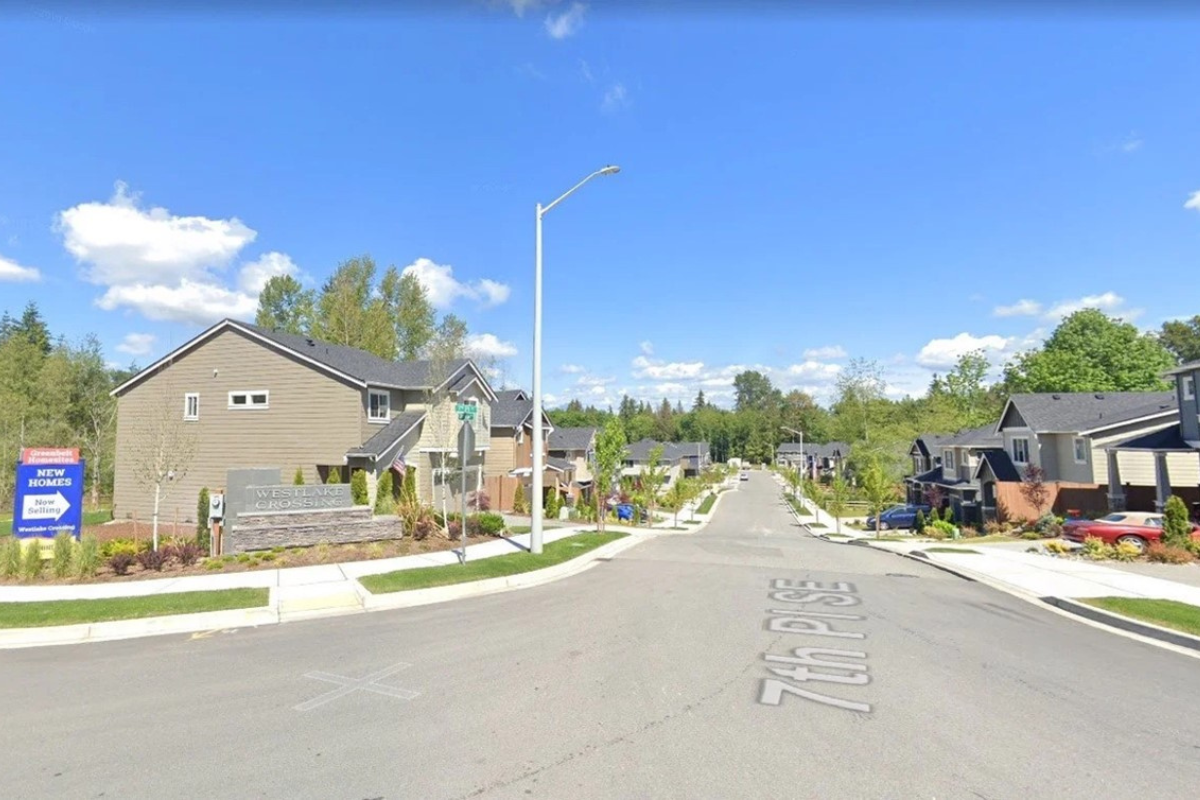
Snohomish County sits just north of King County, offering proximity to Seattle without the same price point or density. It attracts buyers relocating from out of state, remote workers, and Seattle commuters looking for more house and a slower pace.
Pros of Living in Snohomish County WA
1. Location Without Seattle Chaos
Snohomish County provides easy access to Seattle, Bellevue, and major employers like Boeing and Amazon without feeling like you’re living in the middle of the city. Many residents commute from cities like Everett, Lynnwood, and Mill Creek to get more space for their money.
You can reach the coast, the mountains, or downtown Seattle in under an hour, making it one of the most conveniently located counties in Washington.
2. A Wide Variety of Communities



One of the biggest benefits of living in Snohomish County is the diversity of neighborhoods:
Lake Stevens for families and lake life
Snohomish for small-town charm
Mukilteo for coastal living
Marysville and Arlington for growing communities with more space
No matter your budget or lifestyle, there’s a pocket of Snohomish County that fits.
3. Outdoor Lifestyle & Quality of Life
If you love the outdoors, Snohomish County delivers. Residents enjoy hiking in the Cascades, skiing at Stevens Pass, kayaking on local lakes, and weekend farmers markets.
Yes, it rains, but that’s also why everything is green. Many people feel they get the best of the Pacific Northwest lifestyle without the congestion of Seattle.
4. Better Value Compared to King County
Housing prices in Snohomish County are still generally more affordable than Seattle and much of King County. Buyers often find that a single-family home with a yard costs what a condo would closer to the city.
With continued development and population growth, many areas still show strong long-term appreciation potential.
Cons of Living in Snohomish County WA
1. Traffic Is a Reality



Interstate 5 and I-405 can be challenging during peak hours, especially around Everett and Marysville. Light rail expansion into Lynnwood and Everett is expected to improve commuting options, but for now, planning your commute matters.
2. Gray Weather Takes Adjustment
Snohomish County experiences plenty of overcast days, especially in fall and winter. For those coming from sunnier climates, it can take time to adapt. Locals tend to embrace cozy indoor living, coffee culture, and outdoor activities whenever the weather breaks.
3. Growth Comes With Change
Snohomish County has grown rapidly over the past decade. With that growth comes construction, higher prices than years past, and evolving landscapes, particularly in northern areas like Arlington.
The upside? Better infrastructure, more shopping, restaurants, and job opportunities. The downside? It doesn’t feel as quiet as it once did in some areas.
Is Snohomish County a Good Place to Live?
For many people, the answer is yes, especially if you value space, access to nature, and proximity to Seattle without living directly in it. Like any move, success depends on choosing the right city and neighborhood for your needs.
If you’re considering moving to Snohomish County WA, understanding both the positives and the trade-offs upfront helps you make a confident decision.
Thinking About Moving to Snohomish County?
If Snohomish County is on your radar, having local insight can make all the difference, from choosing the right city to understanding schools, commute patterns, and home values.
Explore your options, do your homework, and make sure the area you choose truly fits your lifestyle.